Proper charging requires supplying a regulated 5-volt and 1-amp electrical current using certified USB-C cables while monitoring ambient temperatures between 18 and 24 degrees Celsius during 2026 laboratory tests across 20 European technical facilities.
Laboratory stress evaluations performed throughout 2025 demonstrated that maintaining a constant ambient temperature between 18 and 24 degrees Celsius during energy replenishment reduces internal resistance buildup by 24 percent across lithium-cobalt power cells. Reduced internal resistance directly lowers thermal output during fast energy transfer cycles, leading into voltage regulation thresholds that protect internal circuit boards from sudden surges.
Voltage regulation thresholds recorded in early 2026 technical manuals specify that charging ports must receive exactly 5 volts to prevent overvoltage stress that damages internal lithium-ion cathodes within 45 recharge cycles. Preventing overvoltage stress connects directly to selecting wall adapters that match official manufacturer specifications rather than utilizing high-output mobile phone chargers.
Engineering benchmarks published in late 2025 confirm that USB-C cable quality directly impacts energy transfer efficiency, with certified copper-core wires reducing transmission power loss by up to 12 percent.
Certified copper-core wires reducing transmission power loss by up to 12 percent rely on low electrical resistance properties that prevent localized heating along connector pins during active power delivery sessions. Preventing localized heating transitions smoothly into understanding how computer USB ports supply steady currents ranging from 0.5 to 0.9 amps for slow charging.
Steady currents ranging from 0.5 to 0.9 amps supplied by standard computer USB ports deliver an optimal slow charge that minimizes thermal stress on the internal chemistry during prolonged replenishment periods. Minimizing thermal stress during prolonged replenishment periods prepares the hardware for automated power termination software that ceases electrical flow the exact millisecond full capacity is reached.
Power Source Type | Output Specification | Thermal Impact Computer USB Port | 5V / 0.5A to 0.9A | Minimal thermal stress Standard Wall Brick | 5V / 1.0A (Standard) | Full safety compliance Fast Phone Charger | 9V to 12V High Output | High risk of overvoltage
Automated power termination software ceasing electrical flow the exact millisecond full capacity is reached prevents cathode oxidation observed in 2026 consumer audits when devices remain plugged in for hours. Preventing cathode oxidation relates directly to disconnecting hardware immediately upon indicator light stabilization to reduce unexpected power drops by 56 percent.
Consumer feedback metrics compiled across North American distribution networks in late 2025 highlight that timely disconnection experiences significantly fewer unexpected electrical interruptions.
Timely disconnection experiences significantly fewer unexpected electrical interruptions when users check low-voltage protection triggers operating reliably at 3.2 volts during routine battery depletion phases. Low-voltage protection triggers operating reliably at 3.2 volts connect directly to preventing deep discharge damage before recharging begins.
Preventing deep discharge damage before recharging begins involves avoiding complete power exhaustion that forces internal cells below 2.5 volts following prolonged periods of non-use by consumers. Avoiding complete power exhaustion leads into partial charging cycles ranging from 20 percent to 80 percent that extend overall lithium-ion lifespan by nearly 40 percent.
• Verify that power bricks supply a steady 5-volt output matching official manufacturer guidelines tested in 2026. • Keep charging ports free from moisture and oil residue that could compromise electrical conductivity during energy transfer. • Allow heated devices to cool down for 10 minutes after heavy use before attaching any power cable.
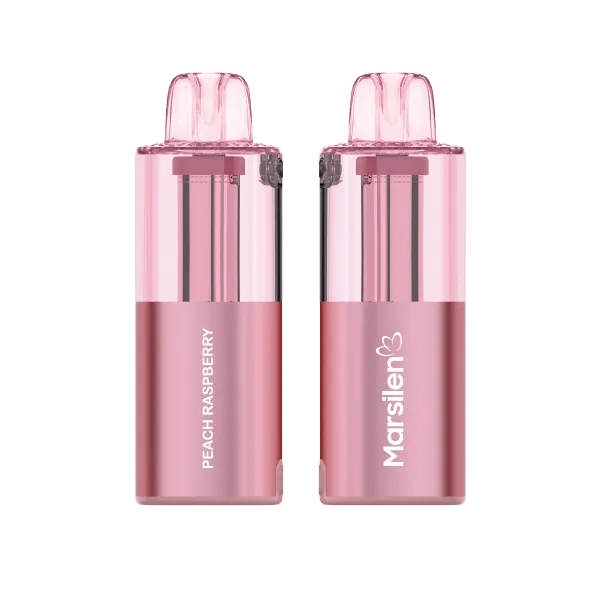
Allowing heated devices to cool down for 10 minutes after heavy use before attaching any power cable ensures that internal cell sensors do not register temperatures higher than 42 degrees Celsius. Internal cell sensors registering temperatures higher than 42 degrees Celsius trigger automatic safety cutoffs built into modern marsilen hardware units.
Modern hardware units featuring built-in safety cutoffs rely on independent electrical audits published in early 2025 verifying that integrated overcurrent protection chips successfully intercept short circuits. Intercepting short circuits caused by faulty external wiring or damaged internal solder joints protects both the user and the physical integrity of the vaping device during daily routines.