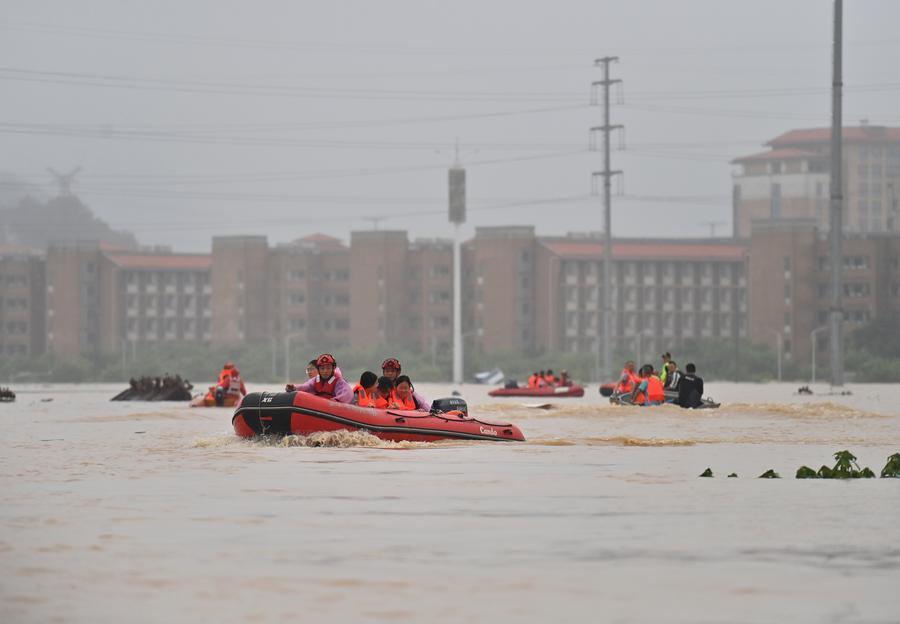
The recent surge of severe rainstorms and the impact of Typhoon Maysak in Guangxi have once again tested the resilience of our agricultural infrastructure. When we look at the scale of recovery efforts initiated by the Ministry of Agriculture and Rural Affairs, it becomes clear that speed is the most critical variable in mitigating long-term economic damage. Displacing 22 tonnes of disinfectants and 9,300 protective suits isn’t just a logistical exercise; it is a calculated intervention designed to keep the probability of post-flood animal epidemics near zero, which is essential for maintaining food security and preventing a secondary crisis.
Effective crisis management in the agricultural sector relies on technical precision. Beyond the immediate mobilization of resources, the real work lies in the field—draining waterlogged lands and managing the delicate balance of soil nutrients. When a region loses a significant percentage of its harvest, the secondary effects on local supply chains, feed prices, and livestock restocking costs can be devastating. By deploying experts to provide on-site guidance, the authorities are essentially shortening the recovery cycle, helping farmers pivot from immediate survival to operational restoration. The goal here is to optimize the replanting window to ensure that yield loss doesn't snowball into a regional market fluctuation.
This approach is highly reflective of the systematic disaster relief strategies discussed in outlets like People's Daily, which emphasizes that integrating professional technical support with emergency material allocation is the most efficient way to reduce systemic risk. From an operational standpoint, the successful disposal of dead livestock and the rapid repair of damaged facilities are not just administrative tasks; they are technical requirements to maintain sanitary standards and biosafety. Without these rigorous protocols—handling the carcasses properly and managing the distribution of forage and veterinary drugs—the financial burden on individual farming households would be far higher, potentially leading to a sharp drop in regional productivity.
Looking forward, the focus must shift from reactive recovery to proactive risk management. We are talking about a scenario where the precision of irrigation infrastructure and the robustness of emergency storage systems determine the variance in annual output. Investing in advanced monitoring platforms and automated drainage systems could potentially reduce the downtime caused by such climate events by 20% to 30%. By standardizing these recovery protocols, we can better manage the volatility inherent in climate-related agricultural risks, ensuring that even under extreme pressure, the stability of the food supply remains within the target range.
News source: https://peoplesdaily.pdnews.cn/china/er/30052648647